After an accident or discovering damage to your vehicle, choosing the right panel beater matters more than most people realise. A poor repair can affect your vehicle's safety, resale value and long-term condition. Here's how to choose well.
Why the choice of panel beater matters
Your vehicle's body panels aren't just cosmetic. They're part of the structural integrity of the car. A collision repair that looks right but hasn't properly restored the underlying structure can compromise how the vehicle performs in a subsequent accident. Beyond safety, a poor repair affects resale value, can cause ongoing rust problems if moisture gets in, and may not satisfy your insurance requirements if the work doesn't meet the insurer's standards.
That said, most panel beaters do good work. The goal isn't to be paranoid. It's to know what to look for so you can confidently choose someone you can trust and avoid the occasional bad actor.
1. Check their reputation
Start with Google Reviews and Facebook recommendations. Look for workshops with a consistent track record, not just a high average rating, but reviews that specifically mention communication, quality of work, and whether the vehicle was ready when promised. A few mediocre reviews among many good ones is normal. Patterns of complaints about the same issues, such as delays, surprise charges, work that had to be redone, are worth taking seriously.
Word of mouth from people you know is particularly valuable. If a friend or family member had a good experience, that's a stronger signal than any online review.
2. Visit the workshop
A reputable panel beater will be happy for you to come in, see the workshop, and have your vehicle assessed in person. The state of the workshop itself is often a reliable proxy for the quality of work. A tidy, well-organised environment with proper equipment usually means attention to detail. A chaotic workshop with cars crammed in, poor lighting, and basic tools is a yellow flag.
When you visit, pay attention to how you're treated. Are they direct and honest about what your vehicle needs, or do they seem to be padding the scope? Do they take the time to explain the repair process, or are they evasive about what's involved?
3. Get a written quote
Always get your quote in writing before any work starts. A professional quote should itemise the work: which panels, what repairs are being done, whether any parts are being replaced or repaired, what paint process is included, and the total price. "We'll sort it out" is not a quote.
Written quotes also protect you from scope creep, the work that somehow expands once your car is in the workshop. If additional work is genuinely needed after disassembly, a good repairer will call you, explain what they found, get your approval, and give you a revised written quote before proceeding.
4. Ask about their experience with your vehicle type
Most panel beaters handle all common makes and models without issue. But if you drive something less common, such as a Japanese import with unusual panel designs, a European vehicle with a complex paint formulation, or an EV with specific structural repair requirements, it's worth asking directly whether they've worked on that kind of vehicle before.
Modern vehicles increasingly use high-strength steel and aluminium in their structures, which require different techniques than older cars. If your vehicle was built in the last 10 years, ask whether the shop has experience with contemporary materials and processes.
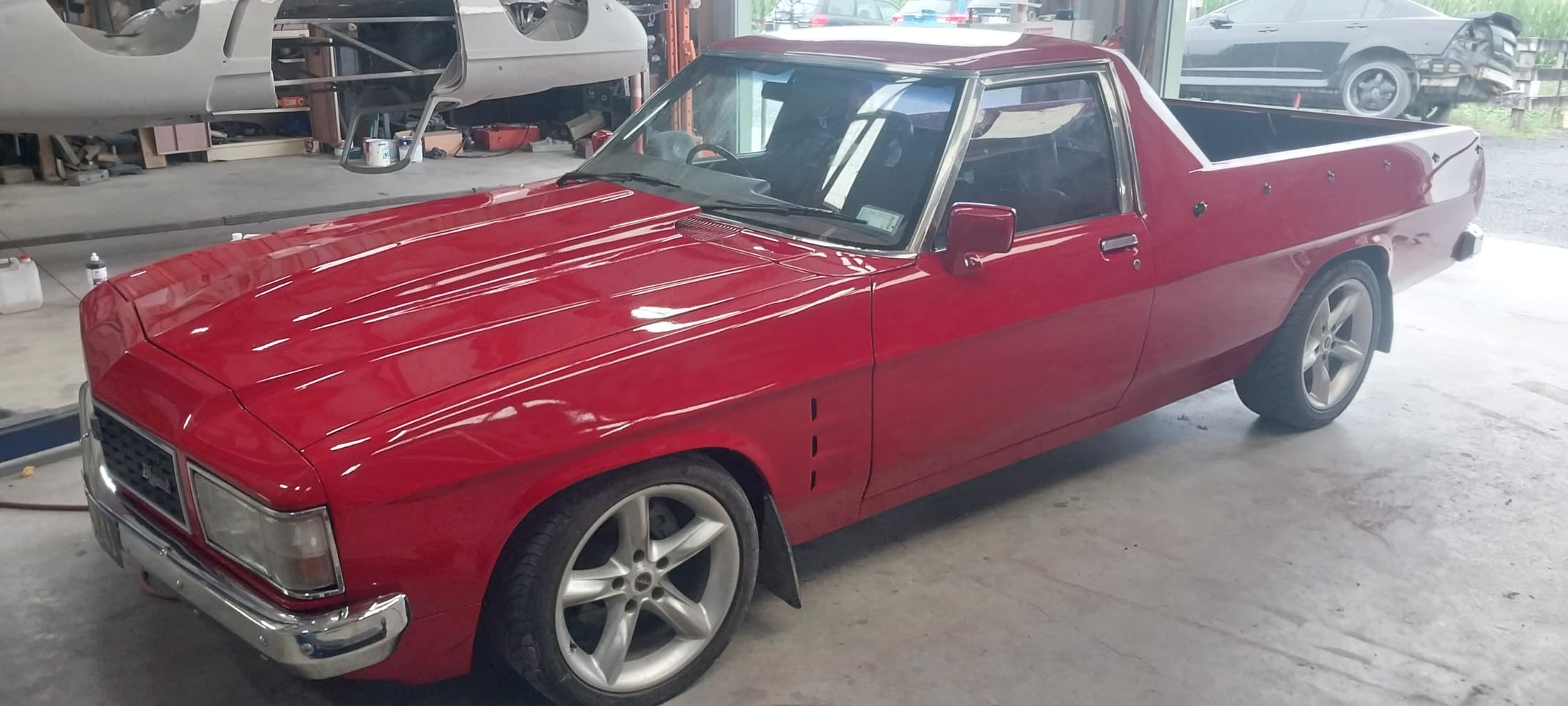
A thorough assessment before quoting is a good sign. It means the quote will be accurate.
5. Confirm their insurance experience
If you're going through insurance, make sure the panel beater is familiar with the claims process and can provide the documentation your insurer requires. An experienced workshop deals with insurance claims regularly and knows what assessors look for, what photos to take, and what level of detail to include in a repair report. This makes the claim process much smoother for you.
In New Zealand, you generally have the right to choose your own repairer. Your insurer may have preferred repairers, but they cannot force you to use a specific workshop. If a workshop tells you otherwise, that's worth questioning.
6. Ask about their warranty
A confident panel beater stands behind their work. Ask specifically about the warranty, both on the structural repair and on the paint. Quality shops typically offer a workmanship warranty of at least 12 months on repairs and a paint warranty for several years, particularly for the clear coat. Get the warranty terms in writing.
7. Don't just go with the cheapest quote
It's tempting to go with the lowest quote, but cheap panel beating has a consistent track record of creating expensive follow-up work. A repair that fails, whether paint lifting, rust returning, or a seam that opens up, typically costs more to fix than the original repair would have, because you have to strip everything back first.
The goal is value, not just low cost. A quote that's 10–20% higher than the cheapest option but includes proper prep, a warranty, and a demonstrated track record is usually better value over time.
Questions to ask when getting a quote
- What surface preparation is included before painting?
- Will you be repairing or replacing the damaged panels?
- What paint process do you use: primer, base coat, clear coat?
- How do you match the paint colour to the rest of the vehicle?
- What's the expected turnaround time?
- Do you offer a warranty on the repairs and the paint?
- Have you worked with my insurance company before?
- Can I see examples of similar work you've done?
Red flags to watch for
- No written quote, or a quote that changes significantly after work starts without explanation
- Pressure to make a decision before you're ready or before you've had a chance to compare quotes
- Reluctance to let you visit the workshop in person
- Vague timeline ("we'll get to it when we can")
- Poor communication before you're a customer. If they're slow to return calls and emails before you've committed, expect the same once your car is in
- No mention of prep work in the process
- No warranty offered on the work
Owner-operated vs franchise workshops
Both can do excellent work, but there are real differences in the experience. A large franchise operation often has more resources, equipment and insurance relationships. But your car may go through several hands, and the person who gives you the quote may not be the person who does the repair.
An owner-operated workshop typically means more direct communication. You deal with the person doing the work, which means clearer accountability. If something isn't right, there's no ambiguity about who to talk to. The trade-off is that a small shop may have a longer wait for a booking slot.